What Is a Mortise Lock and Why Are They So Common in NYC Buildings
A mortise lock is a complete lock mechanism — deadbolt, latch bolt, and often an auxiliary function like a privacy or passage mode — all contained in a single rectangular steel case that drops into a routed pocket in the door stile. Because the lock body is embedded rather than surface-mounted, the hardware is far more resistant to kick-in and pry attacks than a typical cylindrical door knob lock. That structural advantage is a big reason New York City landlords, architects, and building managers specified them heavily throughout the early and mid-twentieth century, and why so many are still in service today. Unlike a standard knob lock or deadbolt, a mortise lock set uses a separate cylinder — called the mortise lock cylinder — that threads or cams into the case and drives the internal mechanism. Replacing just the cylinder (often called a re-key or cylinder swap) is frequently all that is needed when a tenant changes, a key is lost, or a cylinder shows signs of wear.
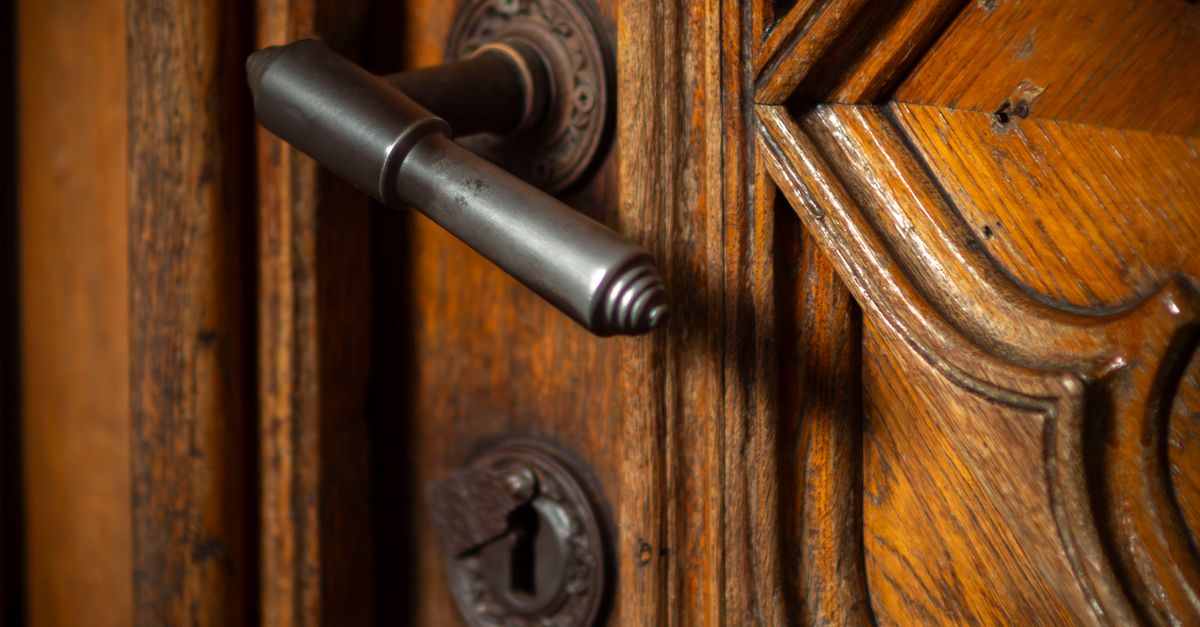
The variety of mortise hardware in New York buildings is wide. Older residential buildings often still carry Corbin Russwin mortise lock cases, recognized by their distinctive faceplate geometry and precise internal tolerances. Upscale prewar apartments frequently feature Baldwin mortise lock sets with brass trim and lever handles. Commercial spaces — law offices along Lexington Avenue, medical suites near Bellevue, retail storefronts in Midtown — may run heavy-duty electric mortise lock systems tied into access control panels. And while a smart mortise lock or sliding door mortise lock is less common in vintage New York construction, our team handles those configurations as well when a building owner is upgrading hardware on a renovation project. Knowing which generation of hardware is installed before arriving on a call is part of how we keep every job efficient.