How Car Key Replacement Works by Make and Model
Not all replacement car keys are created equal, and the process varies significantly depending on your vehicle. A basic key for an older domestic vehicle may require only mechanical cutting to match the ignition and door lock profile. However, most vehicles manufactured after the mid-1990s contain a transponder chip embedded in the key head that must be electronically programmed to communicate with the car's immobilizer system — without that programming step, a perfectly cut key simply will not start the engine. Luxury and newer vehicles from brands like BMW, Mercedes-Benz, Lexus, and Audi often use encrypted rolling-code systems that require specialized OBD-port programming equipment and, in some cases, the ability to read and rewrite the vehicle's ECU data. Our technicians arrive equipped to handle this range of complexity on the spot.
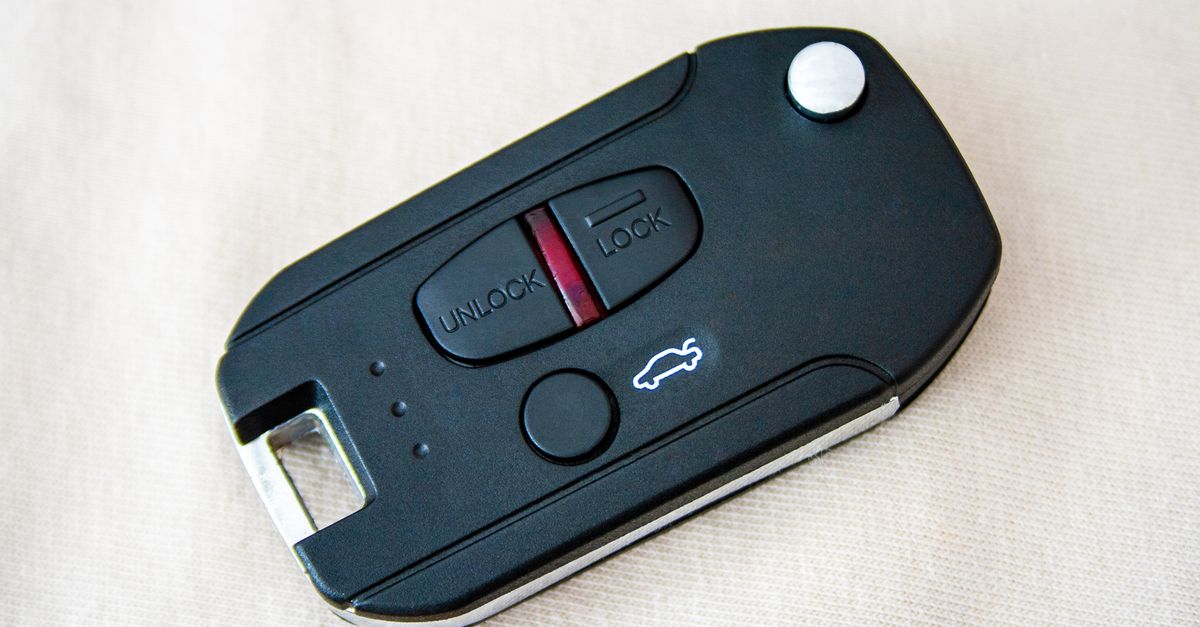
For key fobs and smart proximity keys — common on models like the Nissan Altima, Chevrolet Equinox, Hyundai Sonata, and many Jeep and Ram vehicles — programming involves pairing a new fob to the vehicle's Body Control Module. Push-to-start systems, used across much of the Toyota, Honda, Kia, and Ford lineups, require cloning or generating a new key that the car's immobilizer will recognize. Because the process and required parts differ so dramatically from one vehicle to the next, the time needed and the components involved are both vehicle-specific. That is why we provide an exact, confirmed price before any work begins — so you know precisely what to expect.