
Keypad, Fob, and Buzzer Systems: What Each One Actually Does for Your Business
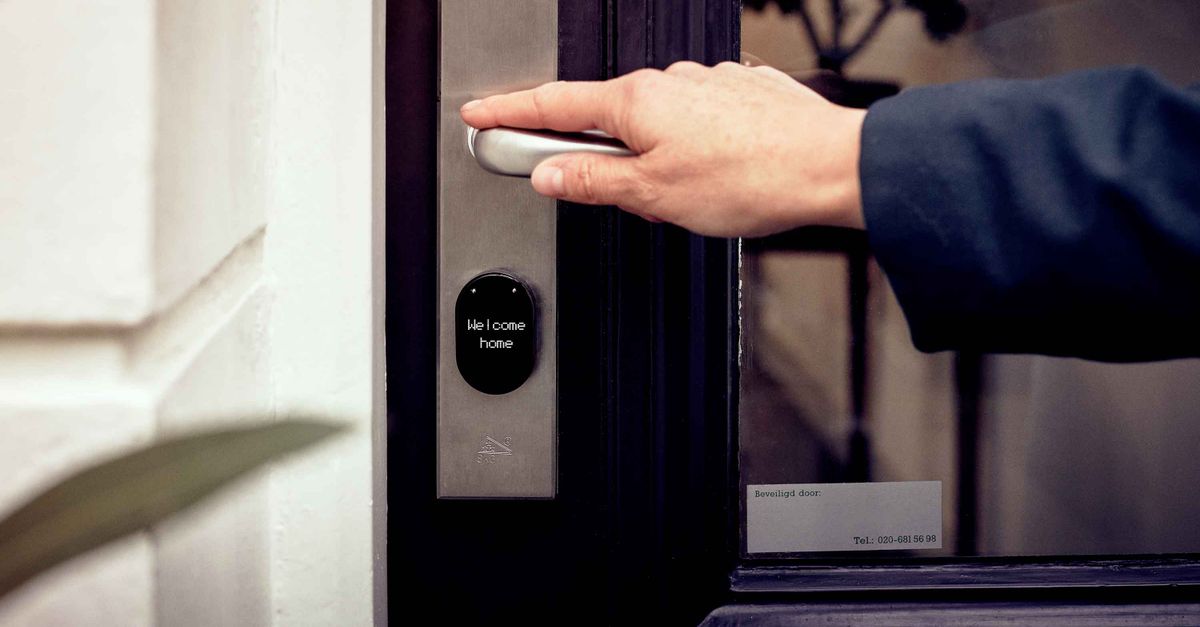
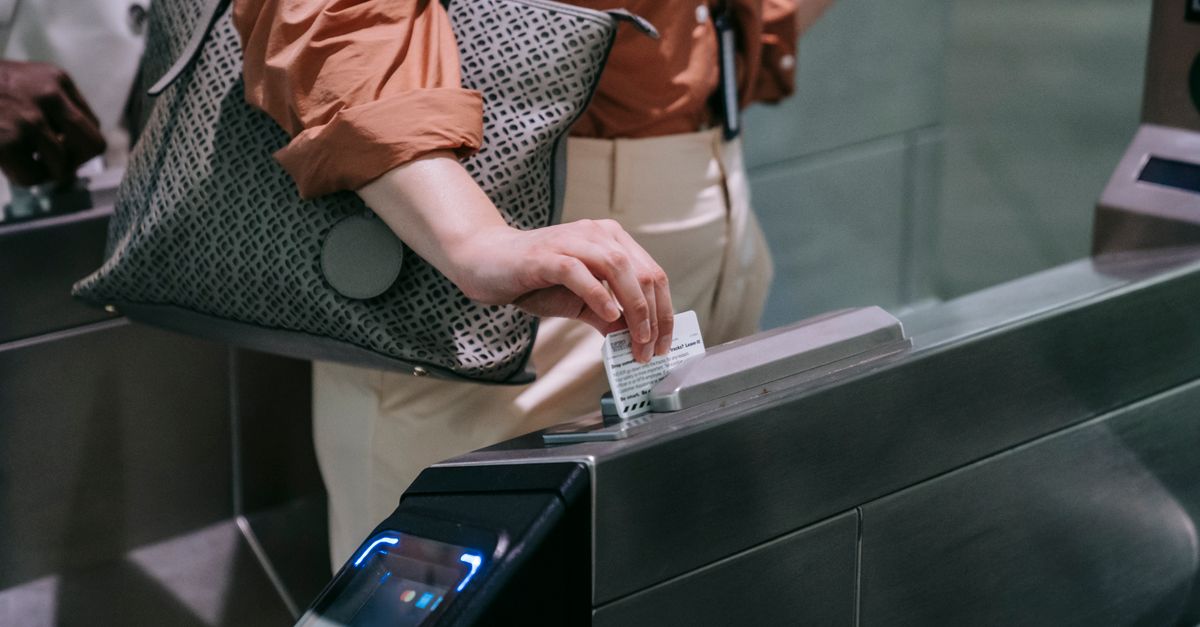
A standalone keypad entry lever door lock replaces a keyed lever or knob with a unit that stores PIN codes internally. There are no cards to reprogram, no cloud dashboard to manage, and no monthly subscription — just a numeric pad on the outside and a mechanical latch or mortise on the inside. Brands like Schlage offer robust versions of this for commercial-duty doors. These are ideal for small offices with fewer than a dozen users and a single entry point. Key fob systems step up the complexity: a small reader mounts near the door frame and communicates with a control panel, granting or denying access based on the credential stored on each fob or card. Because each fob has a unique ID, you can revoke access for a single employee the moment they leave — without rekeying anything. Buzzer and intercom systems take a different approach entirely; instead of pre-authorizing users, they put a staff member or tenant in the loop for every entry, which works well for appointment-based businesses or buildings where unexpected visitors are the norm.
The hardware category that ties many of these systems together is the access control mortise lock. A mortise lock body sits recessed inside the door slab rather than surface-mounted, giving you a far sturdier anchor point for an electrified strike or motorized latch. For high-traffic commercial doors in New York — where a warped steel door in a pre-war building is not unusual — a mortise lock access control configuration outperforms a cylindrical lockset in both strength and longevity. Our technicians carry mortise lock hardware compatible with the most common NYC door preparations and can cut a new pocket when retrofitting an older door, aiming for a damage-free result wherever the door's condition allows it.