Murray Hill Locksmith NYC Service Team
Local locksmith team
Jul 23, 2026 10 min read
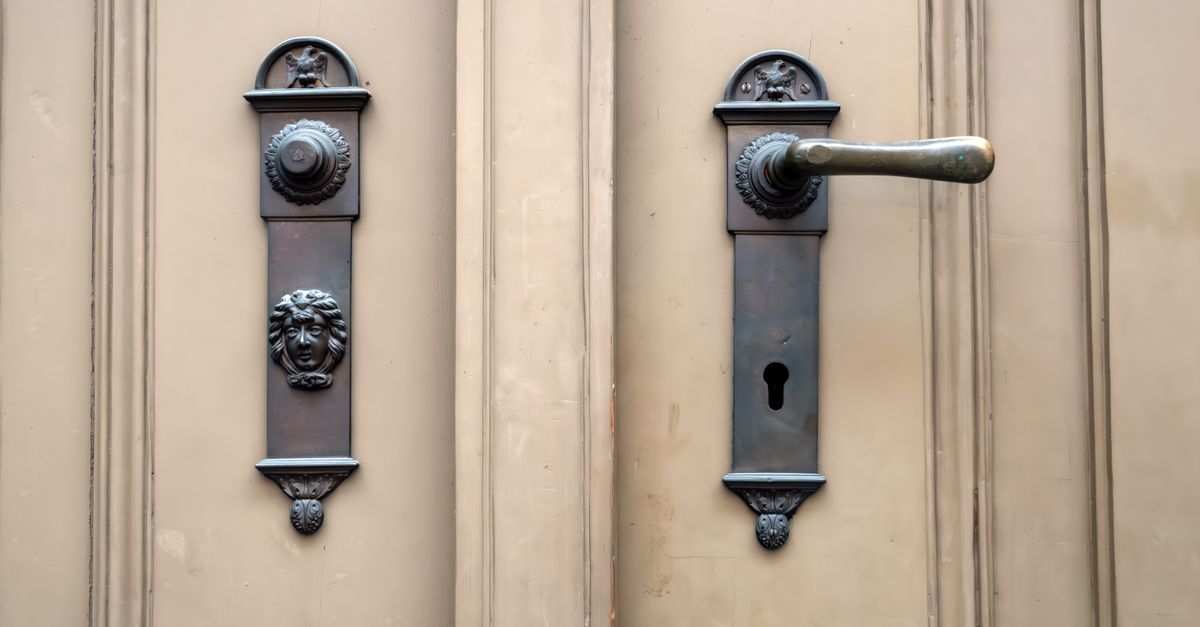
If you live in a pre-war building anywhere from the Upper West Side to Murray Hill, there is a good chance the door to your apartment closes with a mechanism that most modern locksmiths do not see every day — and that most hardware stores do not stock off the shelf. The difference between a mortise lock and a cylindrical lock is not just a matter of trivia; it determines what parts can be sourced, how long a repair takes, and whether a given locksmith has the hands-on experience to do the job right.
Knowing which lock type is on your door before you call for help saves time, prevents miscommunication, and puts you in a much stronger position as a tenant or homeowner. This guide walks you through exactly how to tell the two apart, why pre-war New York buildings so often rely on mortise hardware, and what to expect when something goes wrong at midnight on a Tuesday.
## What Is a Mortise Lock — and Why Do NYC Buildings Love Them?
A mortise lock is a lock body that sits inside a deep rectangular pocket — called a mortise — carved directly into the edge of the door. Unlike a standard cylindrical lock, which slides through a simple round borehole, a mortise lock set integrates the latch, deadbolt, and sometimes a night latch into one heavy-duty unit housed entirely within the door itself. The faceplate is flush with the door edge, and the lock body can be surprisingly large — sometimes four to six inches tall. That solid, all-in-one design is a big part of why buildings constructed before World War II specified it so heavily. Doors in pre-war Manhattan were often thicker, made from old-growth wood, and built to last generations. The mortise mechanism matched that standard.
Brands like Corbin Russwin mortise lock hardware and Baldwin mortise lock units were installed by the thousands across New York City during the early and mid-twentieth century, and many of those original units are still turning cylinders in Brooklyn brownstones and Midtown walk-ups today. That longevity is impressive — but it also means the lock has had decades to develop worn tumblers, seized bolts, and degraded springs that a quick cylinder swap will not fix.
## Cylindrical Locks: The Modern Default
A cylindrical lock — sometimes called a bored lock or a knob lock — operates through two round holes drilled into the face and edge of the door. The lock body and latch are separate components that bolt together through those holes. This is the format used by the vast majority of residential hardware sold today: Schlage, Kwikset, and virtually every door knob lock you will find at a hardware store is engineered around this standard. Installation is faster, parts are universally available, and the borehole dimensions are standardized across brands, which makes replacements straightforward.
The trade-off is depth and integration. A cylindrical lock has a shorter throw, a smaller internal mechanism, and no built-in deadbolt unless you install a separate unit above it. For a new construction apartment with a hollow-core door, that is perfectly adequate. For a 1920s building with a solid three-inch mahogany door and a door frame that has shifted slightly over the past hundred years, a cylindrical lock is often a compromise — and retrofitting one into a door designed for a mortise pocket requires real carpentry work, not just a screwdriver.
## How to Tell Which Lock Is on Your Door Right Now
Stand at your door and look at the edge — the narrow strip of wood that faces the door frame when the door is open. If you see a tall, narrow faceplate (often brass, sometimes painted over many times) that is roughly the height of a playing card or taller, and the keyhole on the face of the door sits inside a decorative escutcheon plate rather than a round rose plate, you almost certainly have a mortise lock set. Run your finger along that faceplate: if the door edge looks nearly solid around it with very little gap, the lock body is recessed deep into the door. That is the mortise pocket.
If instead you see two round strike plates on the door edge — one for the latch and one for the deadbolt — and the hardware on the face of the door sits on a round rose or a standard backplate, you have a cylindrical system. Another quick tell: open your door and look at the interior hardware. Mortise locks almost always have a long, flat lever or a large knob set mounted on an escutcheon plate that extends several inches vertically. Cylindrical locks have a knob or lever on a small round rose. If you are still unsure, a photo sent to our team at Murray Hill Locksmith NYC can get you a definitive answer before we arrive — call us at 212-931-0511 and we will walk you through it over the phone.
## Why It Matters for Repairs, Replacements, and Lockouts
When something goes wrong with a mortise lock — a broken mortise lock cylinder, a seized latch, a snapped cam, or a worn tailpiece — the repair process is fundamentally different from fixing a cylindrical lock. The cylinder in a mortise unit must match the specific cam geometry of that lock body. Pull the wrong cylinder off the shelf and it will not engage the internal mechanism correctly, leaving you with a door that either will not lock or will not open. Experienced locksmiths who work regularly in pre-war New York buildings keep common mortise cylinder profiles in their mobile inventory precisely because availability is a real issue. This is also why a smart mortise lock upgrade — swapping in a keypad or Bluetooth-enabled cylinder — requires a locksmith who understands how the existing mortise body works, not just how to program an app.
Lockouts also play out differently depending on lock type. With a cylindrical lock, a skilled locksmith can typically address a lockout through non-destructive entry methods that work within the design of that hardware. With a mortise lock, the approach depends heavily on the specific brand, age, and condition of the unit — as well as the door and frame alignment. In both cases, what matters most is having a locksmith who has actually worked on that hardware before. Factors that affect the final cost of any locksmith service call include the type of lock involved, time of day, parts needed, and travel distance — our team confirms an exact up-front price before any work begins, so there are no surprises.
Murray Hill Locksmith NYC is a 24/7 mobile locksmith serving all five boroughs. Whether you are locked out of a pre-war apartment on East 38th Street at 2 a.m. or need a full mortise lock set replaced on a brownstone exterior door in Bed-Stuy, our team carries the parts and the experience to handle it correctly. Call 212-931-0511 anytime.
## Upgrades, Security Notes, and When to Call a Commercial Locksmith
If your pre-war mortise hardware is original, it is likely operating on an antique keyway — sometimes called a skeleton key or Corbin profile — that offers far less pick resistance than modern cylinders. Upgrading the mortise lock cylinder to a high-security profile (without replacing the entire lock body) is one of the most cost-effective security improvements a New York tenant or owner can make. It preserves the original hardware and the aesthetic of the door while dramatically improving resistance to common attacks. The factors that determine cost for this service include the brand of cylinder specified, whether the existing cam needs to be adapted, and how many keys need to be cut.
For building owners managing multiple units or a commercial property, the calculation gets broader. A commercial locksmith service addresses master key systems, tenant key control, and the kind of high-cycle hardware that can stand up to a lobby door opening and closing dozens of times a day. Mortise hardware is actually well-suited to commercial applications precisely because of its integrated design and durability — but it requires a locksmith who stocks commercial-grade mortise components and understands keying hierarchy. Our team works with building managers across Manhattan, Brooklyn, and Queens on exactly these projects, from single re-keying jobs to full building rekeying after a tenant turnover.
## Our Services: What Murray Hill Locksmith NYC Handles
Murray Hill Locksmith NYC provides a wide range of locksmith services across New York City, available around the clock. Our specific services include: residential lockout assistance, commercial lockout response, car lockout and vehicle unlock service, mortise lock repair and cylinder replacement, cylindrical lock installation and re-keying, deadbolt installation and upgrade, high-security cylinder upgrades, master key system design and installation, building rekey after tenant change, lock installation on new construction doors, lock repair after forced entry or damage, door knob lock replacement, emergency locksmith response for broken keys in locks, key extraction without lock damage, key duplication for standard and restricted keyways, transponder key programming, car key replacement and key fob programming, ignition cylinder repair and replacement, push-to-start proximity key service, safe opening and safe lock repair, padlock removal and hasp installation, gate lock and chain installation, intercom and electric strike wiring coordination, mailbox lock replacement, storage unit lock service, window lock installation, peephole installation, door reinforcement hardware installation, smart lock installation and setup including smart mortise lock configurations, and after-hours emergency locksmith response for both residential and commercial clients.
Frequently asked questions
How much does an NYC locksmith cost, and what affects the price?+
There is no single flat rate for locksmith work in New York City because the final cost depends on several real variables: the type of lock involved (a mortise lock set on a pre-war door requires different parts and more time than a standard cylindrical lock), the time of day and day of week, travel distance to your location, and any parts or cylinders that need to be sourced. At Murray Hill Locksmith NYC, we confirm an exact up-front price with you before any work begins — no surprise charges after the fact. Call 212-931-0511 to get a clear quote for your specific situation.
How much is the average locksmith charge for a callout or after-hours visit?+
What locksmiths sometimes call a call-out fee — the cost of dispatching a technician to your location — varies depending on when you call, how far the technician needs to travel, and the scope of work involved. A straightforward residential lockout during business hours will be priced differently than an emergency locksmith response at 3 a.m. to a commercial property with a mortise lock in need of parts. The best practice is to ask for a confirmed total price before you authorize any work, which is exactly what our team provides. We do not add fees after the job is done.
How do I find a legitimate locksmith in New York City?+
A few practical checks help separate professional locksmiths from unreliable operators. First, confirm the locksmith has a physical business presence and can be reached directly — not just through a call-center number. Ask whether they carry the parts for your specific lock type before they arrive; a trained locksmith serving pre-war New York buildings should be familiar with mortise hardware and able to discuss it knowledgeably. Ask for a confirmed price before any work starts. Verify that the technician arrives in a marked vehicle or with identification. Murray Hill Locksmith NYC is a local, insured, experienced mobile locksmith operation — you can reach us directly at 212-931-0511, and our team will answer your questions honestly before we dispatch.
Can I upgrade my old mortise lock to a smart lock without replacing the whole door hardware?+
In many cases, yes. A smart mortise lock upgrade works by replacing the cylinder or the interior trim of the existing mortise lock body with a smart-enabled component, rather than gutting the entire lock set from the door. This is especially practical in pre-war buildings where removing the full mortise body would require significant carpentry. The feasibility depends on the brand and model of your existing mortise hardware and the smart cylinder being specified. Our team can assess your current lock in person and tell you exactly what is and is not compatible — call 212-931-0511 to schedule a visit or ask over the phone.