Murray Hill Locksmith NYC Service Team
Local locksmith team
Apr 30, 2026 12 min read

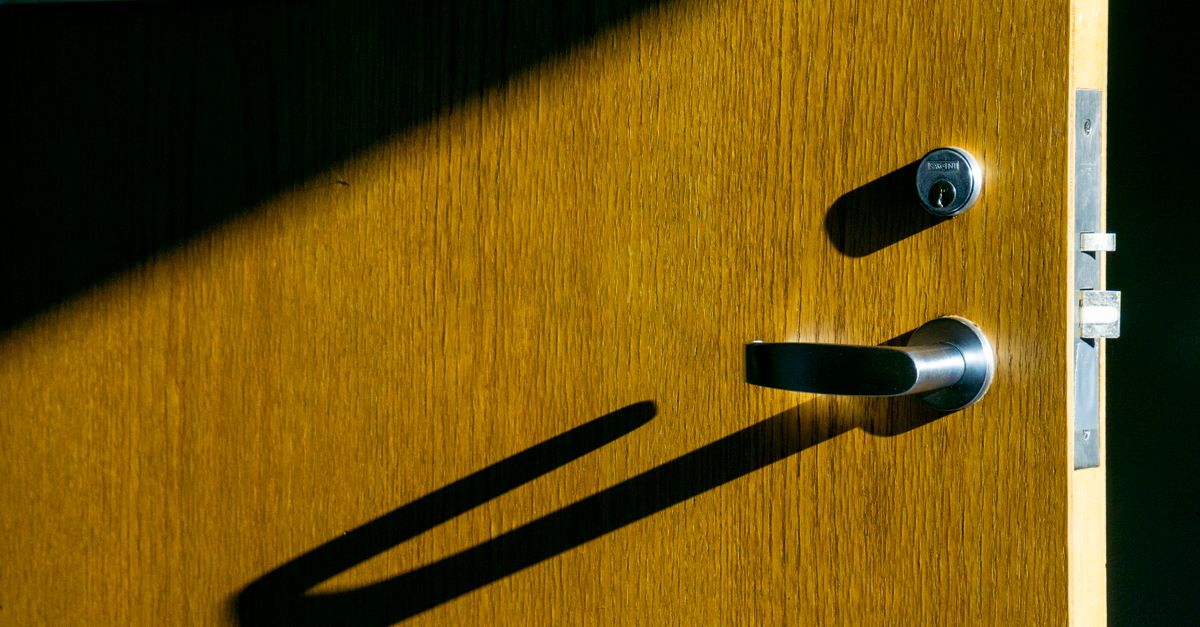
A sticky or frozen door knob lock is one of those problems that starts as a minor annoyance — you jiggle the key, give the knob an extra twist, and move on with your day. But over time, what begins as mild resistance can turn into a full lockout, a snapped key, or a lock that no longer secures your home at all. Whether you're dealing with a knob lock on a Murray Hill apartment door, a bedroom entry in Astoria, or a utility room off the back of a brownstone in the West Village, the causes are almost always the same, and many of them are fixable without replacing the entire hardware.
This guide breaks down exactly why door knob locks stick, refuse to turn, or fail mid-cycle — and walks you through what you can realistically fix yourself versus when calling a professional locksmith is the smarter, safer, and more cost-effective move. We'll also explain when a straight swap to a mortise lock setup makes more sense than pouring money into a worn-out knob lock assembly.
## Why Your Door Knob Lock Is Sticking — The Most Common Causes
A door knob with lock that sticks or refuses to turn is almost never a random failure. There's a mechanical reason every single time, and identifying it correctly determines whether you spend ten minutes with a can of lubricant or need a full lock replacement. The most frequent culprits are: dried or gummed-up internal lubrication, a misaligned door or strike plate, worn internal components, a damaged or bent key, a frozen cylinder (common in New York winters when exterior knobs are exposed to temperature swings between street level and heated lobbies), and in older buildings, simple age-related wear on the cam and tailpiece inside the lock body. In NYC co-ops and rental units, neglected maintenance is a leading factor — knob locks on high-traffic entry doors can cycle tens of thousands of times a year.
There's also a less obvious cause worth knowing: if your building settled, your door frame shifted slightly, or a recent renovation altered the door's alignment, the latch bolt may now be binding against the strike plate rather than seating cleanly inside it. This creates the sensation of a stiff or stuck lock door knob when the real issue is purely mechanical misalignment — something a trained locksmith can diagnose and correct quickly, often without touching the lock cylinder at all.
## Step-by-Step: What to Try Before Calling a Locksmith
Before assuming the worst, there are a few safe, legitimate steps any homeowner can take. First, check your key. A worn, bent, or duplicated-from-a-duplicate key will bind in the cylinder even when the lock itself is fine. Try your original key if you have one, or compare the copy to the original — excessive wear on the cuts is a clear sign. Second, apply a dry graphite lubricant directly into the keyway; avoid WD-40 on lock cylinders, as it attracts dust and gums up the mechanism over time. Insert and remove the key several times to work the lubricant through the pins. Third, examine the door gap along the latch side. If the gap is uneven — wider at the top than the bottom, or vice versa — the door has shifted and the latch is likely dragging on the strike plate. You can sometimes resolve minor misalignment by tightening the hinge screws or, if the screw holes are stripped, using longer screws that bite into the door frame stud behind the jamb. Fourth, check whether the knob itself is loose on the spindle. A loose set screw (usually accessed through a small hole on the neck of the knob with a pin or small flathead) can cause the knob to spin freely without engaging the latch retraction mechanism.
If none of these steps resolve the issue — or if the knob turns but the latch simply won't retract — the internal mechanism is likely worn beyond simple maintenance. At that point, continuing to force the lock risks snapping a key in the cylinder, which turns a simple fix into a more involved extraction job. That's the right moment to call a professional.
## Mortise Lock vs. Door Knob Lock: When Replacement Makes More Sense Than Repair
Here's an honest answer most people don't hear: on older New York City doors — particularly in pre-war buildings throughout Murray Hill, Gramercy, and the Upper West Side — the existing knob lock hardware is often so dated that the cost of sourcing replacement parts, if they're even available, exceeds the cost of upgrading entirely. A mortise lock is the more robust alternative commonly found in these buildings and for good reason. A mortise lock sits inside a recessed pocket cut into the door edge, giving it a far larger, sturdier internal mechanism than a standard knob lock. It handles higher-frequency use, resists forced entry more effectively, and in many NYC buildings, a mortise lock is actually the building code-compliant hardware for entry doors. If your current knob lock has failed more than once in the past year, has visible play in the cylinder, or the door knob with lock and key no longer operates smoothly even after lubrication and alignment corrections, a mortise lock upgrade is worth discussing with your locksmith.
Repair makes sense when the issue is isolated — a worn cylinder, a single broken spring, a misaligned strike plate — and the lock body itself is structurally sound. Replacement makes sense when the issue is systemic: multiple internal components worn, the lock is a low-grade builder-grade knob that was never meant to be a long-term solution, or security is a concern. A skilled locksmith can assess the condition of your hardware in minutes and give you a clear recommendation with a confirmed price before any work begins. Factors that affect the final quote include the type of lock being installed, the condition of the existing door prep, whether the door edge needs to be mortised, the time of day the service is requested, and travel distance — all of which your technician will walk through with you upfront.
## Lockouts, Entry Verification, and What a Mobile Locksmith Actually Does
One question that comes up constantly — especially from people searching for guidance after locking themselves out — is how a locksmith opens a locked door. The short answer is: it depends on the lock type, the door condition, and what tools are appropriate. A trained locksmith uses professional techniques tailored to the specific hardware; the goal is always non-destructive entry when possible, meaning the lock and door are preserved. For a standard door knob lock on a residential door, a skilled technician can typically gain entry without damaging the hardware. For a mortise lock or a deadbolt with a high-security cylinder, the approach differs. What never changes is the verification step: a legitimate locksmith will always confirm your identity and your right to access the property before beginning any work. Expect to show a photo ID and, for rental units, possibly evidence of tenancy. This is standard practice and a sign of a trustworthy, professional operation — not an inconvenience.
If you're locked out right now or dealing with a lock that has failed completely, don't attempt to force the door or use improvised tools — both can cause expensive damage to the door, the frame, and the hardware. Check for a spare key with a neighbor, building super, or family member first, and verify whether any other entrance to your home is accessible. If those options are exhausted, a mobile locksmith dispatched directly to your location is the fastest and safest resolution. Murray Hill Locksmith NYC operates around the clock across the five boroughs and can reach most Manhattan and outer-borough addresses quickly. Call 212-931-0511 and a real person will answer — not a call center.
## Locksmith Pricing in NYC: What Determines Your Quote
We won't give you a number here, because an honest answer is: it depends, and anyone who quotes a flat rate before seeing your lock and door is guessing — or setting you up for a surprise charge later. What we will do is explain exactly what factors determine the final cost so you can have an informed conversation with any locksmith you call. Lock and hardware type matters significantly — rekeying a simple knob lock costs far less than cutting a new mortise lock pocket into a solid wood door and installing a full new assembly. Time of day is a real factor; emergency locksmith calls in the middle of the night or on a holiday involve different logistics than a scheduled afternoon appointment. Travel distance and current traffic conditions in New York City affect response time and, in some cases, pricing. Whether parts are needed — a new cylinder, a full mortise lock set, a high-security deadbolt — affects the total. And the condition of the existing door prep matters; a door that needs frame repair before a new lock can be installed is a different scope of work than a straightforward cylinder swap.
What you should always expect from a professional locksmith is a confirmed, exact price before any work begins — not an estimate that balloons after the job is done. There is no legitimate 'call out fee' that then gets stacked with hidden charges; a trustworthy technician gives you the full number upfront and starts only when you've agreed. If you're ever quoted a suspiciously low number over the phone that jumps dramatically once the technician arrives, that's a red flag. A genuinely experienced locksmith prices accurately from the start because they know their trade well enough to assess the job correctly. Murray Hill Locksmith NYC confirms pricing before touching a single pin — call 212-931-0511 to get a straight answer.
## Services We Provide Across New York
Murray Hill Locksmith NYC is a fully mobile, insured locksmith operation serving residential, commercial, and automotive clients across Manhattan, Brooklyn, Queens, the Bronx, and Staten Island. Our technicians carry the tools and hardware to handle a wide range of jobs on-site, including: residential door knob lock repair and replacement, mortise lock installation and repair, deadbolt installation, high-security cylinder upgrades, emergency lockout service for homes and apartments, lock rekeying, master key system setup, key duplication, broken key extraction, strike plate repair and reinforcement, door frame and jamb repair after forced entry, smart lock and electronic lock installation, access control system setup for commercial properties, commercial locksmith services for office and retail spaces, storefront gate lock repair, file cabinet and desk lock replacement, padlock keying and replacement, mailbox lock replacement, intercom and buzzer lock system service, automotive lockout service, car key programming and replacement, transponder key cutting, ignition lock cylinder repair, garage door lock service, safe opening and combination changes, and security consultations for residential and small business properties. If your specific need isn't listed here, call — our team handles more than what fits on a page.
## How to Recognize a Legitimate Locksmith in New York City
New York City has no shortage of locksmith listings, which makes it harder, not easier, to find a trustworthy one. A few clear markers of a legitimate operation: the technician arrives in a marked or identifiable vehicle, carries professional tools, asks to see your ID before beginning work, and gives you a written or clearly stated price before starting. They should be able to explain what they're doing and why, in plain language, without making the job sound more complicated than it is. A professional locksmith doesn't pressure you into upgrades you didn't ask about, and they don't quote one price on the phone and charge another at the door. Murray Hill Locksmith NYC is a locally operated, insured team with experienced technicians who serve the neighborhoods they work in — from Midtown to Flushing, from Park Slope to the Concourse. We're not a dispatch hub routing calls to unknown contractors. When you call 212-931-0511, you reach our team directly.
Frequently asked questions
How much does an NYC locksmith cost?+
There's no honest single-number answer because pricing depends on several real variables: the type of lock or service needed (rekeying a knob lock is a very different job from installing a mortise lock), the time of day the call comes in, your location within the five boroughs, and whether any parts or hardware are required. What you should always receive is a confirmed, exact price before any work begins. Murray Hill Locksmith NYC provides upfront pricing on every call — call 212-931-0511 and we'll walk through the details with you directly.
What is a locksmith call out fee, and should I expect one?+
A call out fee — sometimes called a service call or dispatch fee — is a charge some locksmiths apply just to show up, separate from the cost of the actual work. Whether or not it applies depends on the company and the situation. What matters most is that you understand the full cost before agreeing to anything. A trustworthy locksmith tells you the complete price upfront, covering both the service call and the labor, so there are no surprises when the job is done. Always ask for the total price, not just the call-out portion, before giving the go-ahead.
My door knob lock turns but the door won't open — is that a lock problem or a door problem?+
Often, it's the door rather than the lock. When the knob turns freely and you can feel the latch retracting but the door still won't open, the latch bolt is likely catching on the strike plate due to a misaligned door or a swollen frame — a common issue in older NYC buildings, especially after seasonal humidity changes. The lock mechanism itself may be perfectly fine. A trained locksmith can diagnose this in minutes and correct the alignment or reposition the strike plate without replacing any hardware. If, however, the knob spins with no resistance and the latch doesn't move at all, a broken internal component is the more likely cause.
How do I find a legitimate locksmith in New York City?+
Look for a locksmith who answers their own phone rather than routing you through an anonymous call center, arrives with identifiable credentials, asks to verify your identity before starting work, and states a clear, complete price before picking up a tool. Avoid any service that gives you a very low quote over the phone but cannot explain what it includes — that gap between the quoted price and the final invoice is where most bad locksmith experiences happen. Murray Hill Locksmith NYC is a locally based, insured operation with experienced technicians who serve the New York area directly. You can reach us any time at 212-931-0511.